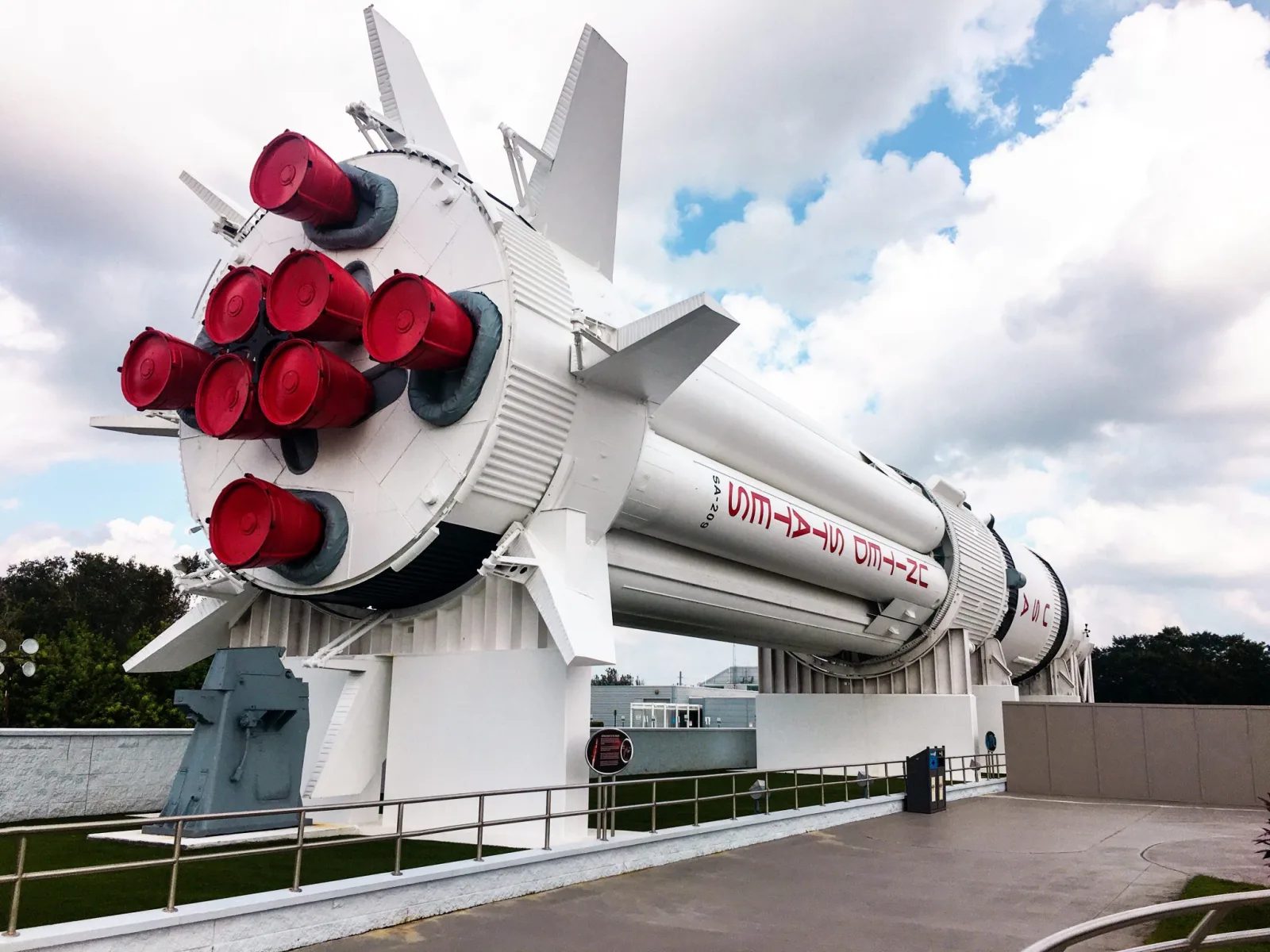
Elon Musk announces SpaceX's plans to recover both the Starship and its Super Heavy booster next month, a historic milestone in aerospace.
Next Month's Ambitious Attempt
Elon Musk, the CEO of SpaceX, has announced plans to attempt the unprecedented recovery of both the Starship and its Super Heavy booster in a mission scheduled for next month. This ambitious goal aims to achieve a complete retrieval of the entire orbital launch system for the very first time, setting a remarkable precedent in space travel.
A Revolutionary Step in Space Exploration
During a recent earnings call, Musk referred to this endeavor as a profound milestone in technology and civilization. He emphasized the significance of successfully capturing an orbital launch vehicle, which has never been done before. His statement highlighted the importance of this mission not only for SpaceX but also for the future of aerospace technology.
Managing Expectations
Musk is aware of the challenges that come with such groundbreaking attempts. “Success is not guaranteed on these first flights,” he said, also noting, “but I’d say it’s more likely than not that this succeeds next flight.” He reassured enthusiasts and investors that even if this attempt doesn't succeed, SpaceX has various Starship flights planned through the end of this year, with an increase in activity anticipated for the following year.
Understanding the Starship Design
Starship consists of two main components: the Super Heavy booster, which serves as the thrust provider during the initial launch phase, and the Starship spacecraft that completes the journey into orbit. Towering at about 120 meters (approximately 400 feet) and 9 meters in diameter, the system is powered by Raptor engines that use a combination of liquid methane and liquid oxygen. Starship was first unveiled back in 2018, designed with the capability to return to its launch site, where innovative mechanical arms, referred to as 'chopsticks,' aim to catch it in mid-air after deployment.
Recent Launch Insights
Last month’s launch marked a significant achievement for the Starship program, as the vehicle successfully reached Earth’s orbit and deployed several of SpaceX’s upgraded V3 satellites as part of the Starlink constellation. However, the mission faced some hurdles: one of the Raptor engines unexpectedly shut down during ascent, prompting the mission control team to adapt quickly and utilize the remaining engines to complete the climb. Ultimately, the planned mission duration of 10 hours and 6 orbits was curtailed, with the spacecraft completing about 3 hours and 2 orbits.
During its descent, the Super Heavy booster made a controlled splashdown in the Gulf of Mexico, while the Starship upper stage executed a de-orbit burn, leading to a fiery splashdown in the Pacific Ocean north of Hawaii. Unfortunately, neither component was recovered during this mission.
Looking Ahead
The anticipation surrounding SpaceX’s upcoming attempt to capture the Starship and Super Heavy booster is palpable, as it represents a potential turning point in launch technology and reusable rocket systems. Successful recovery could pave the way for more sustainable and cost-effective space travel in the future. Stay tuned for updates as this thrilling mission approaches.