When great powers lose momentum, they sometimes respond not with patient reform but with dramatic, short-sighted military gestures. Historians now describe this impulse as “micro-militarism”: limited, emotionally driven military ventures intended to restore a nation’s slipping prestige. They often promise a quick demonstration of strength but instead accelerate decline by exposing weaknesses, draining resources, and igniting political crises at home and abroad.
History offers repeated examples. In classical Athens, the Sicilian expedition of 415–413 BC was launched to strike a decisive blow against a regional rival. Instead the mission ended in catastrophe: thousands of Athenian troops and ships were lost, the city’s manpower was depleted, and Athens’ standing was shattered. Two centuries later, Portugal’s youthful King Sebastian led a crusade into Morocco in 1578 that decimated the country’s elite and undermined Lisbon’s commercial hegemony in the Indian Ocean. Spain, still smarting from the loss of its overseas empire, poured troops into the Rif War in North Africa in the 1920s. That costly campaign bled the economy, radicalized politics, and helped pave the way for authoritarian rule. And in 1956 Britain’s intervention in Suez — intended to reassert London’s declining influence after Egyptian nationalization of the canal — ended with international rebuke, financial crisis, and a clear signal that imperial Britain could no longer act as it once had.
These episodes share common patterns: declining power, leaders who grasp for symbolic military victories, and campaigns that prove strategically unsustainable. In each case the target chosen was either ill-suited to a lasting occupation or offered only limited strategic gain; yet the psychological pressure to “do something” outweighed sober calculation. The result was humiliation, domestic upheaval, and a hastening of the imperial retreat.
The contemporary United States now stands at a comparable crossroads. Years of global engagement have left the country militarily capable but politically strained. Repeated, costly involvements overseas, mounting geopolitical competition from rising powers, and deep domestic polarization have eroded the foundations of unchallenged leadership. Into that environment has come a president whose instinctive use of force and appetite for dramatic displays of power resemble the archetypal micro-militarist leader: confident in bold gestures, intolerant of restraint, and prone to treating complex geopolitics as episodic contests to be won by decisive strikes.
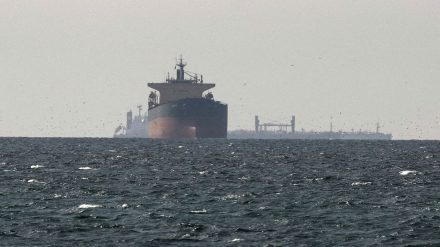
A case in point is the recent US–Israeli strike on Iran that culminated in Tehran’s decision to close the Strait of Hormuz. Early air strikes destroyed Iranian command centers and many conventional military assets, producing an initial impression of overwhelming force. But the dominant power misjudged the asymmetric response. Iran, unable to match the United States blow-for-blow in conventional terms, seized a geographic lever: by obstructing tanker traffic through the Strait of Hormuz, it struck at the lifeblood of the global economy — oil, gas, and the raw materials that drive fertilizer and petrochemicals.
The closure of that narrow maritime chokepoint has immediate and cascading effects. Petroleum and gas shipments were halted or diverted, insurance and transit costs soared, and supply chains for energy-intensive industries were disrupted. Markets plunged. Countries dependent on Persian Gulf supplies faced painful realignments and emergency policy shifts. Crucially, many American allies refused to commit military backing for what they saw as a US-instigated war of choice; longstanding alliances frayed as partners sought to avoid being drawn into a wider confrontation.
This is precisely the kind of asymmetric dynamic that has historically undone overreaching powers. A state with superior firepower can destroy infrastructure and leadership, but it cannot easily occupy or neutralize the diffuse, low-cost ways a weaker adversary can inflict enduring economic and political pain. Drones, mines, and blockades — relatively inexpensive and ambiguous tools — can paralyze an economy that depends on vulnerable chokepoints. Meanwhile, the dominant power’s punitive responses often create collateral damage that further erodes its moral authority and diplomatic capital.
Beyond immediate military and economic harm, micro-militarist adventures generate broader systemic consequences. The credibility of a global security provider rests on more than tactical victories; it depends on coherent strategy, predictable diplomacy, and a network of alliances sustained by mutual interest and trust. When a leading power uses force unpredictably or in pursuit of vanity projects, allies grow skeptical. NATO and other multilateral structures risk atrophy if core members no longer coordinate policy or if they are seen as instruments for unilateral shows of strength. International institutions and norms weaken, creating a vacuum that other actors — states or networks — will seek to fill.
In the case of the recent Iran confrontation, several dynamics point to such a decline. Key partners publicly dissented or withheld support, global opinion condemned threats against civilian infrastructure, and economic turmoil made the United States appear reckless and destabilizing at a moment when many countries crave stability. The net effect: a loss of legitimacy that cannot be repaired by battlefield successes alone.
None of this is to suggest that powerful states should never use force. Strategic, multilateral interventions that protect international norms or prevent atrocities can be justified and effective. The distinction lies in motive and method. Micro-militarism is rooted in compensatory psychology — the desire to reclaim lost prestige through immediate, visible acts — rather than a sober calculation of long-term national interest.
If history is any guide, the longer-term price of such misadventures includes diminished global influence, economic strain, and political polarization that undercuts governance at home. For the United States, the danger now is that a short, dramatic campaign intended to “restore” standing will instead expose structural vulnerabilities and accelerate a transition away from an American-led order toward a more multipolar, uncertain world.
The lesson of the Sicilian disaster, Alcácer Quibir, the Rif War, and Suez is sobering: military theatrics can hasten imperial collapse. To avoid that fate, the United States would do better to pair any use of force with clear strategy, allied consultation, and realistic expectations about the limits of coercion. Otherwise, micro-militarism will not restore greatness — it will erode whatever remains of it, leaving a global landscape reordered by instability and competing powers.