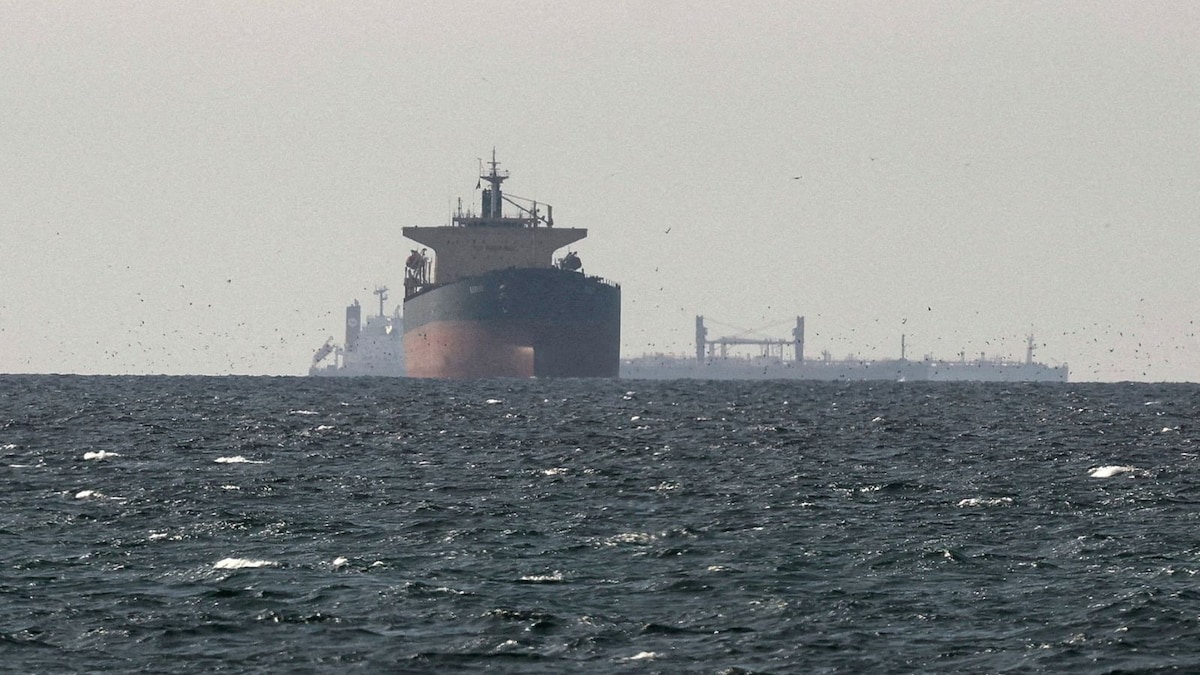

Iran’s ambassador to China, Abdolreza Rahmani Fazli, said Beijing and other friendly nations will receive “special considerations” when Tehran sets service fees for ships transiting the Strait of Hormuz. Fazli made the remarks Saturday at the World Peace Forum in Beijing, but did not specify what concessions China might receive.
Fazli described the waterway as a matter of national security following months of conflict involving US and Israeli strikes on Iran, and said new arrangements for the strait will be made in cooperation with Oman. He added that fees would be levied to guarantee safe passage and to address environmental costs, and that enforcement would not violate international maritime law.
The future management of the Hormuz chokepoint is a major point in talks aimed at securing a permanent end to the conflict. Iran effectively shut the strait when strikes began in late February, and traffic has only recently started to resume after an interim peace deal signed last month. Even so, at least eight vessels attempting to leave the Persian Gulf along the Omani coast turned back between Friday and Saturday, underlining how fragile reopening remains.
The United States and Gulf Arab states insist neither Iran nor Oman may impose charges on ships using the strait. Some European governments, however, now acknowledge that transit may require fees and have urged Iranian and Omani officials not to discriminate against vessels by nationality.
China, which imports the bulk of Iran’s oil exports, has urged unhindered shipping through the strait, saying free passage serves the interests of all parties. Beijing has largely stayed on the sidelines of the conflict, calling for restraint and offering limited diplomatic support, often working through regional partners such as Pakistan. Protecting Gulf shipping and avoiding further energy disruptions are priorities for China given the potential impact on its economy.
Beijing has positioned itself as a stabilizing influence while also questioning the United States’ role and reliability in the Middle East. How Iran, Oman and the international community resolve fee rules and enforcement for Hormuz will be central to longer-term stability in global energy routes.