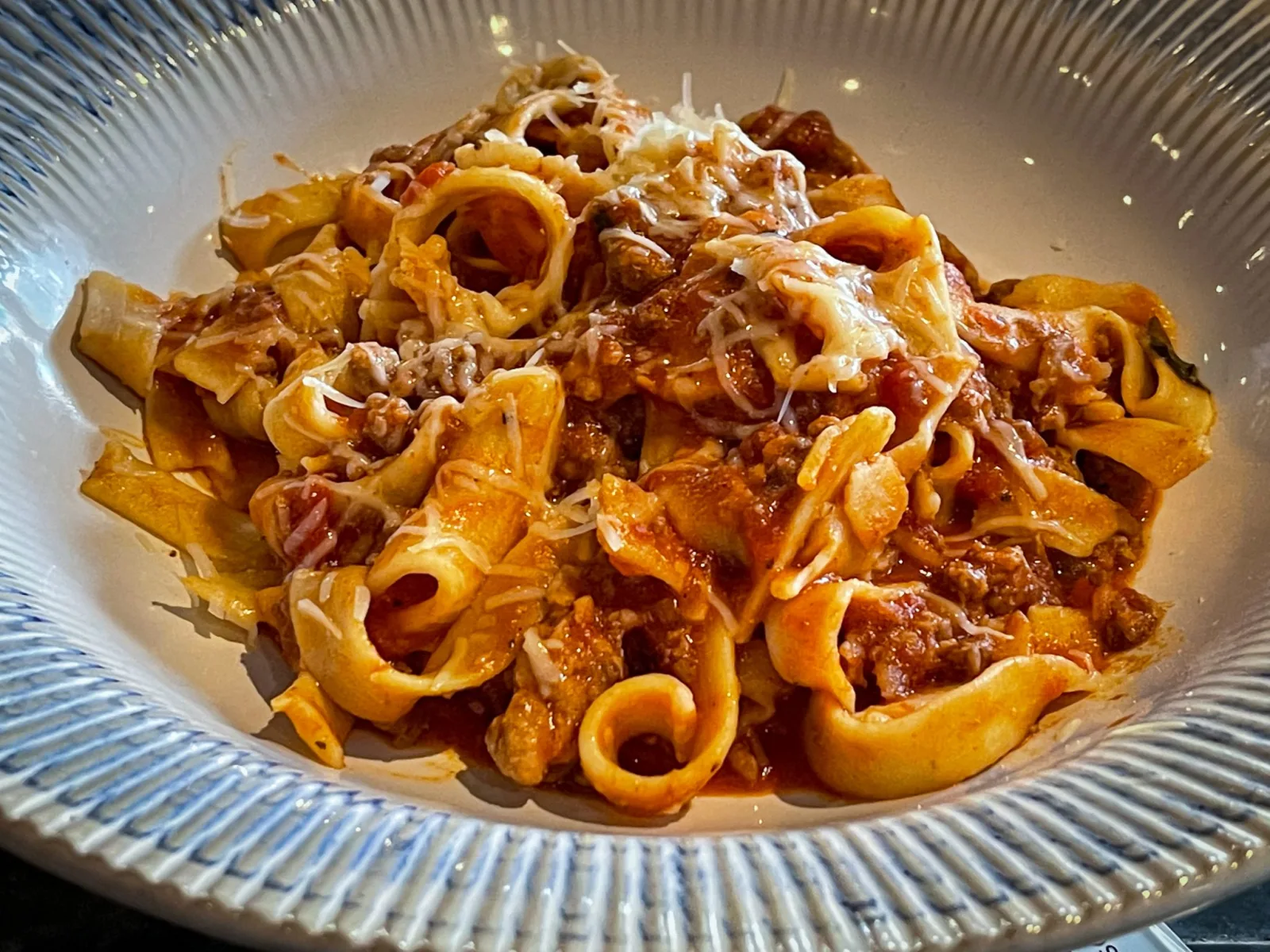
Explore nutritious toppings to enhance your pasta dishes while stabilizing blood sugar levels.
Discovering Pasta's Potential
Pasta is a beloved comfort food around the world, cherished for its adaptability and savory appeal. Though often criticized for its carbohydrate content, pasta can be part of a healthy diet when paired with the right toppings.
As the demand for healthier choices surges, a variety of pasta alternatives are now available, made from legumes and whole grains. Options like chickpea and brown rice pasta can provide additional nutrients compared to traditional pasta made from durum wheat. However, nutritionists emphasize that it’s not the pasta itself that should be avoided, but rather how you complement it with healthy ingredients.
Pasta: A Nutritional Overview
“Pasta can definitely be a wholesome part of your meals,” says Dr. Sibylle Kranz, a registered dietitian. Regular enriched pasta offers essential nutrients, including folate, iron, and vitamins that your body needs.
Apart from being an excellent source of carbohydrates for energy, regular pasta also contains resistant starch, which acts similarly to fiber in the digestive system. It helps you feel fuller longer. To enhance this effect, cooling your pasta after cooking can increase its resistant starch content, making leftovers an even healthier option.
Moderation is important when enjoying pasta. Be mindful of serving sizes, which can differ depending on the pasta shape.
Enhancing Pasta with Wholesome Toppings
The magic of pasta lies in its toppings. The right ingredients can elevate the dish nutritionally while keeping you satisfied. Registered dietitian Frances Largeman-Roth notes that combining pasta with foods rich in protein, fiber, and healthy fats can improve its health benefits significantly.
Here are some nutritious toppings you might consider:
- Shrimp: This seafood option is a powerhouse of protein, offering about 25 grams per serving with only 100 calories. It’s fast to cook and beneficial for thyroid health, making it a prime choice.
- Lentils: Packed with nutrients, lentils provide around 18 grams of protein and 16 grams of fiber per cup when cooked. This plant protein makes an excellent substitute in meat dishes, particularly in bolognese.
- Cruciferous Vegetables: Vegetables such as broccoli and Brussels sprouts are great additions, brimming with fiber, vitamins, and antioxidants. They enhance the nutrient profile and overall fullness of your meal.
- Nuts: Whether toasted on top or blended into a sauce like pesto, nuts contribute healthy fats along with protein, aiding in both flavor and texture.
- Greek Yogurt: Replacing heavy cream sauces, Greek yogurt contains about 15 grams of protein per serving and is low in calories. Stir it into your pasta for a creamier texture without excess fat.
- Tinned Fish: Choices like canned tuna, salmon, or sardines pack in protein and omega-3 fatty acids, which are crucial for heart and brain health.
- White Beans: When pureed, white beans create a smooth alternative to dairy, enriching your pasta with fiber and plant protein that help balance blood sugar.
- Dark Leafy Greens: Spinach, kale, and Swiss chard add significant fiber and essential vitamins to your dish. They wilt quickly and can be easily incorporated into hot pasta.
- Squash: Varieties such as butternut and summer squash introduce fiber and beta-carotene, boosting nutritional value and flavor.
Mindful Choices for Healthy Eating
While there are no toppings to completely avoid unless allergies are a concern, some should be reserved for occasional indulgence. Cream-heavy sauces and processed meats, for example, tend to be high in saturated fats.
Incorporating pasta into your diet can still promote a balanced meal, especially when paired thoughtfully with nutritious toppings. “Eating pasta daily is fine as long as you include variety,” suggests Largeman-Roth, advocating the inclusion of other carbohydrate sources such as quinoa or brown rice to diversify your meals.