Despite challenges from climate change, Swedish winemakers are optimistic about a promising new harvest.
This year has brought unprecedented temperatures across Europe, resulting in an early grape harvest for many vineyards. While this shift poses significant challenges for traditional winemaking regions, particularly in France, it opens new doors for growers in Sweden.
New Opportunities for Winemakers
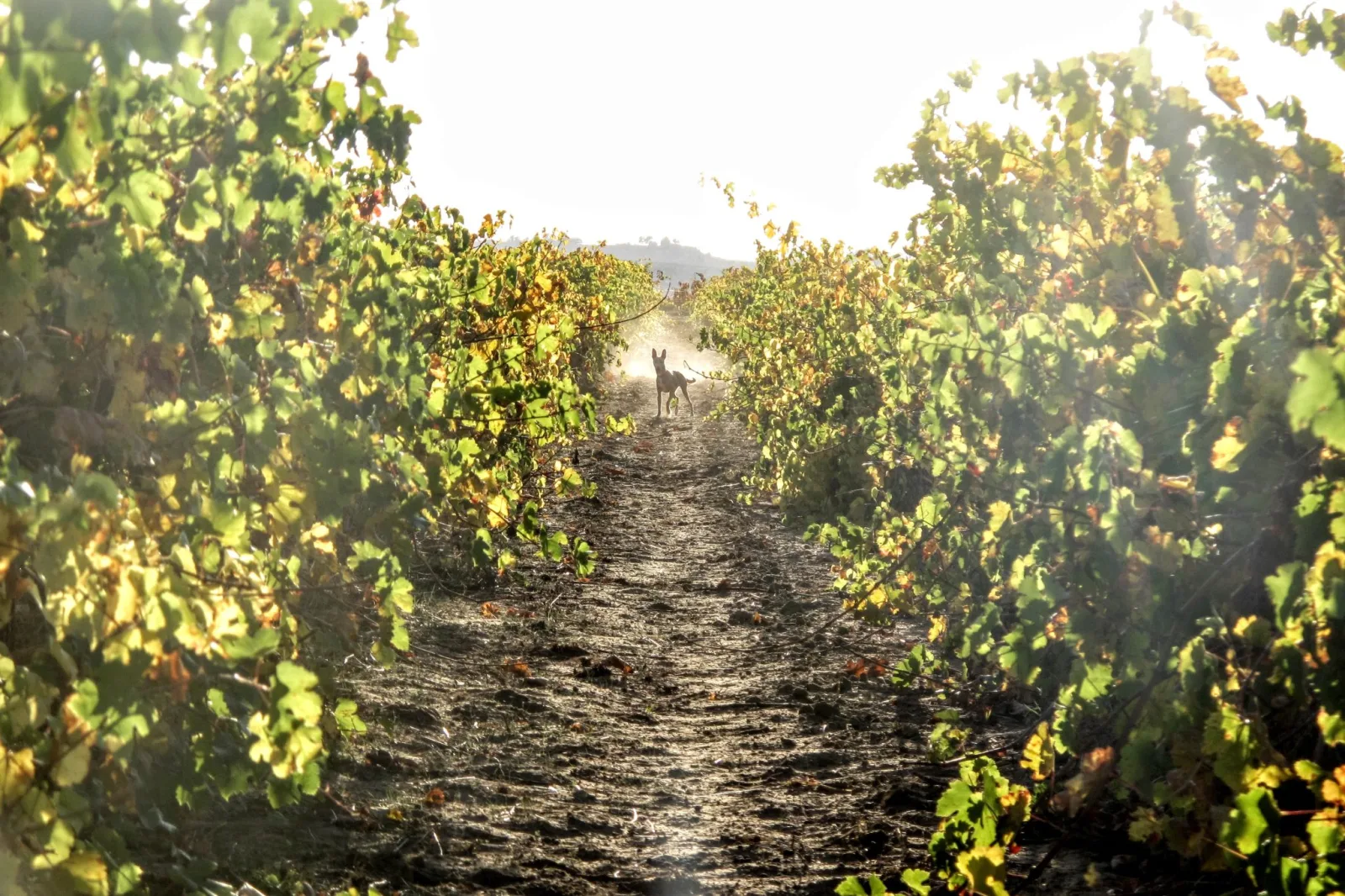
As European vineyards adapt to rising temperatures, Swedish winemakers are finding themselves in a uniquely favorable position. The Astad Vineyard in Klagshamn, southern Sweden, is celebrating what many believe to be a vintage year, largely due to climate change.
Klagshamn, located at a latitude of 55.5 degrees, is notably further north than France’s famed Champagne region. This geographical advantage offers Swedish vineyards the chance to produce exceptional wines, especially varieties that thrive in cooler climates.
Positive Impacts of Warmer Weather
Nils Mellbin, the vineyard manager at Astad, reflects on the exceptional weather conditions this year. "We've enjoyed warm conditions throughout flowering, along with a dry summer that kept disease levels low," he explains. The favorable climate has extended the growing season, allowing grapes to ripen more easily.
The vineyard is focusing on the Solaris grape, a variety particularly suitable for their colder environment, which is not commonly grown in traditional wine regions. This unique grape is celebrated for its ability to ripen in shorter growing seasons, making it an optimal choice for Sweden.
Struggles for Traditional Regions
While Swedish winemakers experience growth, the situation is starkly different in France. Producers in the Champagne district, for example, are facing one of their worst harvests in 30 years. The combination of heat, drought, and early harvesting has resulted in yields dropping by approximately 30% this season.
Kimberly Nicholas, a climate solutions expert from Lund University, emphasizes the broader ramifications of this trend. "Climate change is creating challenges across wine-producing regions worldwide, making it increasingly difficult to maintain the quality standards that define traditional wines," she states.
Expanding Swedish Wine Production
As the Swedish wine scene grows, so does the ambition among producers. Claes Bartoldsson, the winemaker at Astad Vineyard, shares exciting plans for expansion. From producing 20,000 bottles last year, the vineyard is gearing up to create 70,000 bottles this year, with an eye on future growth.
He enthusiastically describes the pressing process, affirming, "What we’re getting today is some of the purest juice we’ve ever made. I believe this will be a remarkable vintage, and I can't wait to see its evolution over the coming years."
Recognition and Challenges Ahead
The breakthrough moment for Swedish wines came when a local vintage was featured at the Nobel Prize banquet last December. This event marked an important recognition of the emerging quality of Swedish wines, with vineyards like Kullabergs Winery also gaining attention for their elegant offerings. Victor Dahl, CEO of Kullabergs Vineyard, states, "Our region is ideal for grape cultivation and we are ready to adapt to future changes in climate. We're excited to meet the demand for aromatic wines in gastronomy."
However, the Swedish wine industry still faces significant regulatory challenges. Alcohol sales are tightly controlled by the state, making it difficult for consumers to access local varieties easily. Murat Sofrakis, owner of Klagshamn Wine, highlights the complexities of buying wine in Sweden: "Visitors must pay for tasting experiences and are limited in how much they can purchase. We can't operate like typical vineyards where customers can simply buy a bottle directly."
A Bright Future
Despite these hurdles, the potential of Swedish wines is encouraging. Sommelier Karin Ericson notes the distinct aromatics found in local varietals, recognizing the growing trend towards unique and high-quality wines. "These wines are small-scale and handcrafted, which makes them special," she says.
As Sweden's wine industry embraces this rare opportunity, winemakers remain optimistic about their future. By focusing on sustainable practices and cultivating unique grape varieties, Swedish producers are carving out a special niche in the global wine landscape.