The U.S. Senate on Friday passed a sweeping, bipartisan sanctions package aimed at depriving Russia of revenue from energy exports, voting 86-11 to approve measures pushed for more than a year by the late Sen. Lindsey Graham.
The legislation would penalize countries that continue to buy Russian oil, gas and other exports and gives the president authority to impose tariffs on the world’s five largest purchasers of Russian oil or gas, a group that can include China and India. The bill includes carve-outs for nations that import less than 15% of their natural gas from Russia and are actively reducing those imports.
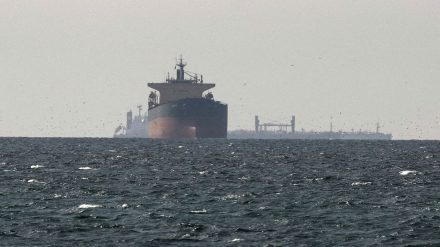
The package also expands direct U.S. sanctions on Russian figures and institutions: targeting President Vladimir Putin, senior political and military leaders, Russian financial entities and energy projects. It would broaden existing rules to go after older, reflagged tankers Russia uses to try to evade current sanctions. The legislation allows the White House to waive sanctions or restrictions if the president certifies such action is in the national interest.
Senators framed the vote as a forceful signal of continued U.S. support for Ukraine. Ukrainian President Volodymyr Zelenskyy visited the Capitol last week, met with lawmakers from both parties and watched some Senate procedural votes from the gallery. Supporters said the measure sends a “moral signal” and aims to squeeze funding for the war.
The bill was the culmination of negotiations involving Graham, Sen. Richard Blumenthal and the White House; Graham announced a deal on July 10 and died unexpectedly the next day. South Carolina Gov. Henry McMaster appointed Graham’s sister, Sen. Darline Graham, to fill his seat, and she said she was honored to carry on his work.
Not all senators supported the tariff authority in the bill. Progressive Democrats and others raised concerns about granting the president broad power to impose tariffs that could lift consumer prices. An amendment by Sen. Rand Paul and Sen. Ron Wyden to remove the new tariff authority failed. Sen. Raphael Warnock, who had pressed for changes, said he obtained a written commitment from the administration via U.S. Trade Representative Jamieson Greer promising guardrails; he noted the tariffs would be removed once countries no longer buy Russian energy or evade sanctions.
Critics in both chambers warned the measure could give President Trump excessive latitude to use tariffs for domestic political purposes and risk stoking inflation. Rep. Gregory Meeks, the top Democrat on the House Foreign Affairs Committee, said the bill in its current form could allow the president to “weaponize” tariffs and harm Americans.
The Senate’s action pressures the House to act when it returns at the end of August. The House has already passed a separate Ukraine aid and Russia sanctions package in June. Lawmakers say they want to ensure any final bill tightens Russia’s funding without unduly burdening U.S. consumers or ceding unchecked trade powers to the president.