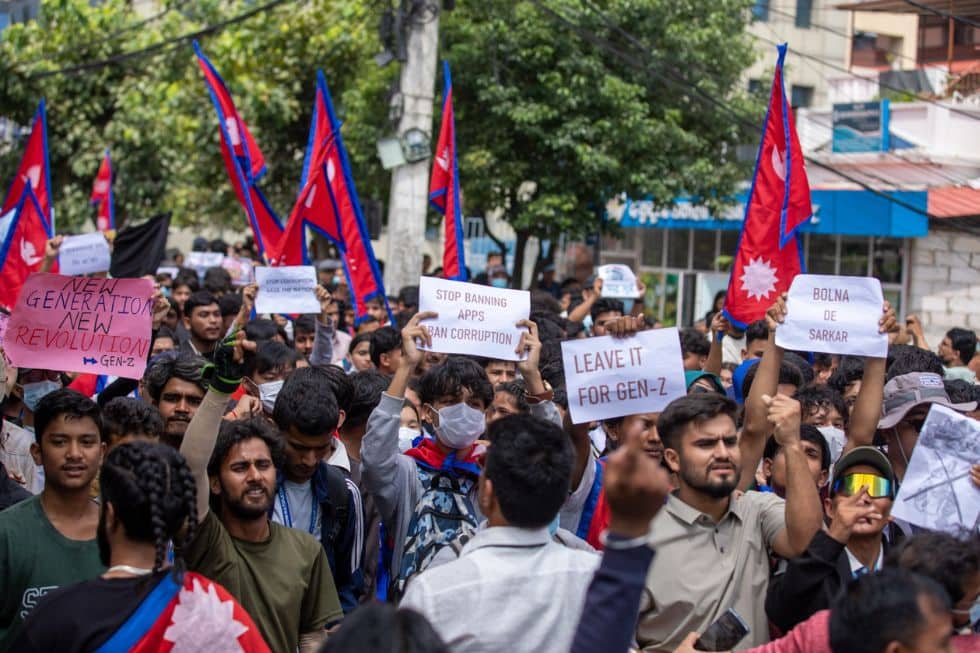

Forget the old image of revolution as solemn marches, manifestos and uniforms. The new generation is improvising: leaderless, decentralized and fluent in meme culture. They weaponize humor, anime references and pop aesthetics to undermine rigid institutions and catch authorities off guard.
This isn’t flippancy. It’s a deliberate strategy — an “unseriousness” that is itself serious. Generation Z treats protest as cultural performance and social media as organizing infrastructure. Dressing a demonstration in anime iconography or a viral dance does two things at once: it forges instant solidarity through a shared visual language, and it exploits attention economies to spread political claims faster than traditional channels ever could.
Radicalization and organizing now move through TikTok think pieces, viral memes, Discord servers and Telegram channels rather than pamphlets and party cells. Algorithms erase borders: a protest tactic or symbol in Nepal becomes intelligible and adoptable by youth in Morocco, Kenya or the Philippines. These digital pipelines don’t transmit a single doctrine so much as a shared experience of failed systems — economic precarity, climate breakdown, unequal education — and a set of cultural tools to respond. A meme that explains policy is both civic education and a call to action; an anime screenshot signals alliance faster than any banner.
The tactical value of this unseriousness is profound. First, humor and aesthetics shield participants emotionally. Facing police violence, precarity and bleak futures, protesters use memes, music and playful acts to sustain morale and community. That social infrastructure matters: it makes risk more bearable and keeps movements alive under pressure.
Second, frivolity is disruptive to power. Security forces are trained for marches, slogans and confrontations, not for absurdist performance or dance challenges that render repression performative and delegitimized. When protests look intentionally weird or joyful, state responses can appear disproportionate and out of step, shifting public sympathy toward demonstrators. Decentralized, culturally coded tactics are also resilient: you can’t easily arrest a hashtag or erase a meme.
We’ve seen these dynamics in multiple contexts. Nepal’s 2025 Gen Z protests borrowed One Piece imagery as a unifying aesthetic and used Discord for planning. Moroccan youth, organized in part via anonymous online collectives such as GenZ 212, fused TikTok, Instagram and messaging apps to demand education and healthcare reforms. Movements using similar digital playbooks have rippled from North Africa to Southeast Asia and beyond. In Madagascar, sustained civic mobilization over basic services helped force a leader from power; in Peru, prolonged unrest reflects the same era’s fractures.
Psychologically, the turn away from solemnity is also practical. A grim, classical rhetoric risks burnout and alienation for a generation already taxed by multiple crises. Humor and creative tactics turn protest into a form of cultural production: they make visible an alternative social reality that is more compelling than the status quo. In an attention economy, bizarre and joyful acts often reach millions where earnest speeches get seconds of airtime. That reach matters — visibility begets solidarity, coordination and pressure.
This model is not without risks. Online ecosystems can accelerate misinformation, enable echo chambers, and make movements vulnerable to surveillance and co-optation. But the decentralized, culturally fluent approach also makes movements harder to crush. Ideas dressed as jokes spread virally and persist; they migrate across platforms and languages faster than top-down organizing can control.
Ultimately, young revolutionaries are reframing politics as cultural competition. Rather than waiting for a classical uprising, they build alternative imaginaries and social bonds that challenge authority by making resistance more attractive, fun and contagious. They may look unserious, but their methods reveal a new seriousness about survival, solidarity and political imagination.
[Kaitlyn Diana edited this piece.]
The views expressed in this article are the author’s own and do not necessarily reflect Fair Observer’s editorial policy.