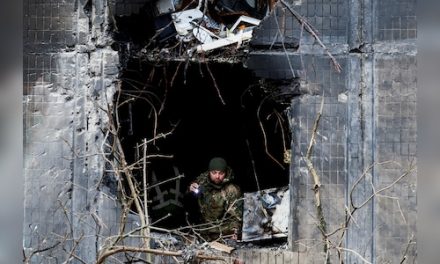
The island depends on oil for power, but supplies have plunged after the US cut off Venezuelan shipments and warned other countries against exporting fuel to Cuba.
By CNBCTV18.com March 17, 2026, 1:48:27 PM IST (Published)
3 Min Read
Cuba’s national power grid collapsed on Monday, causing a nationwide blackout that left roughly 10–11 million people without electricity. The state-run grid operator reported a “total disconnection” of the system.
The outage occurred amid an energy crisis driven by fuel shortages. Cuba relies heavily on oil for electricity generation, and supplies have fallen sharply in recent months.
Measures imposed by the US under Donald Trump have effectively halted oil flows from Venezuela, historically Cuba’s main supplier. Washington has also warned other countries against exporting fuel to the island.
Speaking at the White House this week, Trump said, “I do believe I’ll be having the honour of taking Cuba. Whether I free it, take it, or think I could do anything I want with it.”
Cuba has received only limited shipments this year — small volumes from Mexico and Jamaica — while no major deliveries have reached key ports. Venezuela’s state oil company, PDVSA, has not sent fuel to Cuba in 2026, the Guardian reported.
Authorities said efforts to restore power were underway and that no immediate faults were detected in the units operating at the time, according to CNN. Some areas saw partial restoration within hours, but much of the island remained without power.
The shortage has driven informal-market fuel prices sharply higher, making fuel unaffordable for most citizens.
Cuban President Miguel Diaz-Canel said no oil had reached the island in the past three months, calling the impact “tremendous” and saying it has caused “anguish among the population.”
Hospitals have reduced services, public transport has been scaled back, and garbage collection has slowed because of fuel shortages. Internet traffic fell to about one-third of normal levels, network monitoring data cited by CNN showed. Protests have erupted in cities like Moron over electricity cuts and food shortages.
Fuel scarcity has also affected travel: airlines, including Air Canada, have suspended flights to Cuba due to a lack of aviation fuel.
Trump earlier this month said the US focus remains on Iran before turning to Cuba. The US and Israel’s recent actions against Iran have prompted retaliatory attacks across the region and disrupted global oil supplies.
Ship traffic was paralysed after Iran closed the Strait of Hormuz, a route that carries over one-fifth of global oil shipments.
At home, the war has limited public support. A Reuters/Ipsos poll found only about one in four Americans approve of US strikes on Iran, while a larger share oppose them or remain unsure.
What the MAGA base says
While most Republican leaders have backed Trump, parts of his core MAGA base are divided. With midterm elections months away, some supporters argue the war contradicts his earlier promise to avoid “endless wars” and focus on the US economy.
“If this war is a swift, easy, and decisive victory, most of them will get over it,” Blake Neff, a former producer for late conservative activist Charlie Kirk, wrote on X. “But if the war is anything else, there will be a lot of anger.” He added, “success can override bad explanations. So, we must pray for success.”
Doug Bandow, a senior fellow at the Cato Institute, said the deaths of US soldiers “bring home the cost of the war.”
“Americans… don’t want to be tied up in an ongoing conflict in the Middle East,” he told Al Jazeera, adding the deaths show “this is not just a video game.”
(Edited by : Sudarsanan Mani)