
By PTI November 30, 2025, 12:48:00 PM IST
As Sri Lanka battled the aftermath of Cyclone Ditwah, a senior Indian diplomat met stranded compatriots at Bandaranaike International Airport, Colombo, provided food and water, and assured them that New Delhi would facilitate their swift return to India.
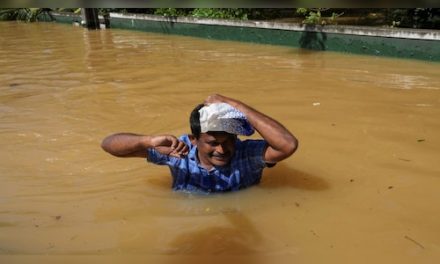
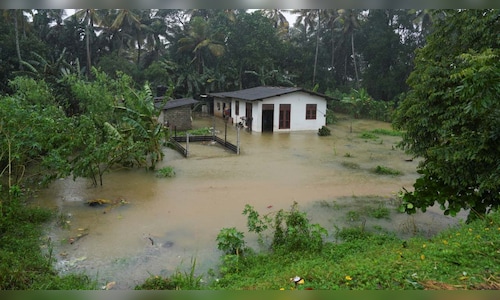
Sri Lanka declared a state of emergency after the cyclone caused widespread devastation to infrastructure. In the Disaster Management Centre’s latest update at 7 pm local time on Saturday, the death toll stood at 153 with 191 missing since Thursday. The cyclone brought widespread flooding, landslides and severe service disruptions, including flight cancellations; Sri Lanka is a popular destination for Indian tourists.
“Acting High Commissioner Dr Satyanjal Pandey met stranded Indian passengers at Bandaranaike International Airport, Colombo. Acting HC assured them of all possible assistance. He conveyed that the Govt of India will facilitate their swift travel back to India,” the Indian High Commission said on X, posting photos of the Acting High Commissioner meeting distressed passengers.
The High Commission provided a link for Indian passengers stranded in Sri Lanka to register their details and said passengers can register at the Emergency Help Desk at Bandaranaike International Airport. Any distressed Indian citizen at airports or elsewhere in Sri Lanka needing assistance may contact the emergency number +94 773727832 (also on WhatsApp).
Earlier, the High Commission said that in the wake of severe air traffic disruptions, Indian passengers facing difficulties were being provided food, water and other assistance.
India also mounted a relief response. Under Operation Sagar Bandhu, it sent around 21 tonnes of relief materials in two military transport aircraft on Saturday, following an earlier tranche of over six tonnes of essential supplies. Two urban search-and-rescue teams comprising 80 National Disaster Response Force personnel were deployed, and two Chetak helicopters from INS Vikrant joined rescue efforts. In total, around 27 tonnes of relief materials were delivered by air and sea, with more on the way.