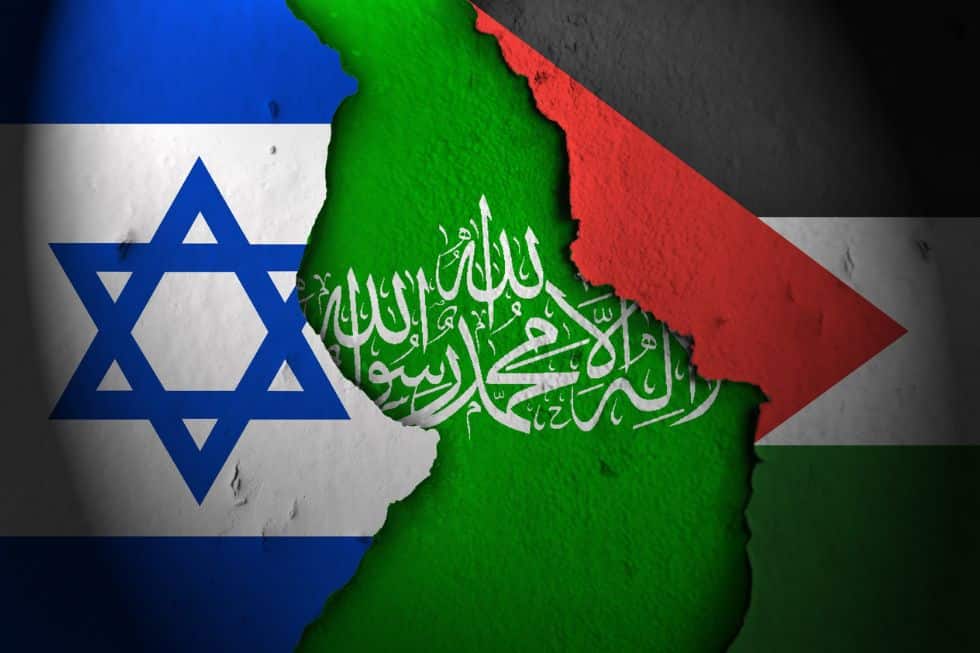

On October 7, 2023, Hamas’s armed wing launched the unprecedented Al-Aqsa Flood raid into Israel from Gaza, a shock offensive that reshaped the region and triggered Israel’s fiercest assault on Gaza. The operation achieved tactical surprise and forced the world’s attention back onto Palestine, but it also produced catastrophic consequences for Gaza and failed to secure the strategic gains Hamas likely sought. Examining three overlapping dynamics — local Palestinian politics, Hamas’s secretive planning, and regional realities — suggests the timing and execution of October 7 were grave strategic miscalculations, even if motivated by desperation.
Local Palestinian dynamics
Hamas appears to have counted on a widespread uprising across the West Bank, East Jerusalem, and among Palestinian citizens of Israel — a cascading revolt that would stretch Israeli forces and alter the balance of power. That did not happen. Instead, Israel rapidly tightened control in the West Bank, and the Palestinian Authority in Ramallah publicly distanced itself from Hamas. Grassroots protests that did erupt were met with overwhelming force in cities and refugee camps. Rather than drawing Palestinians together, October 7 left the West Bank isolated and subject to the most intense crackdown seen in decades: frequent raids, mass arrests, expanding settler violence and, by some counts, hundreds of deaths since the attack.
Domestically within Israel, Hamas may have presumed political fissures — notably mass protests over judicial reforms — would blunt Israel’s capacity to respond. The opposite occurred. The attack produced a sharp “rally around the flag” effect, uniting bitter political rivals into a wartime unity government and enabling rapid mobilization. Instead of exploiting Israeli discord, Hamas’s timing strengthened Israel’s cohesion and resolve.
Hamas’s secret planning
Operational security and secrecy delivered tactical surprise: Israel’s intelligence and many regional actors were blindsided. But that compartmentalization came at the cost of coordination. A narrow coterie in Gaza, led by hardline commanders, planned the assault without informing much of the movement’s wider apparatus, many allied groups, or likely regional backers. Reports indicate that senior Iranian and Hezbollah leaders were surprised or only partially aware of what was coming.
This isolation meant missed opportunities for synchronized action. Other Gaza factions did join the fighting, but the West Bank was not primed to erupt in coordinated revolt and Hezbollah on the northern border restrained itself to limited exchanges rather than a full front. Internally, the operation highlighted ideological rifts within Hamas between hardliners in Gaza and more politically oriented leaders elsewhere; the latter’s more measured approach had been sidelined. The result was a spectacular military surprise but little political leverage and minimal allied military engagement.
Regional realities
Regionally the timing was inauspicious. The attack came as several Arab states — notably Saudi Arabia — were moving toward or weighing normalization with Israel. Hamas likely aimed to derail those rapprochements and thrust Palestinian statehood back onto the regional agenda. Temporarily it did stall normalization momentum, but there was no cohesive anti-Israel alliance ready to intervene or escalate on Gaza’s behalf.
Major regional players offered condemnation and humanitarian aid, but avoided direct military confrontation. Iran, despite rhetorical support, calibrated its response carefully to avoid a wider war for many months. Hezbollah limited its strikes to avoid inviting devastating retaliation. The broader “Axis of Resistance” favored strategic abstention over the risks of full-scale regional war. Meanwhile, the United States surged military assets to the Eastern Mediterranean and regional security arrangements hardened in Israel’s favor. In short, Hamas struck when regional centers of power preferred detente or pragmatic engagement over open conflict with Israel.
A high-price gambit with little strategic payoff
Layering the three dynamics together produces a stark conclusion: Hamas struck when contextual windows were closed. Palestinians were divided and vulnerable; Hamas’s own secrecy precluded wider coordination; and regional actors were not prepared to translate rhetoric into decisive military support. Global powers also rallied quickly to Israel’s side, limiting diplomatic or military pressure that might have restrained Israeli actions.
The immediate cost to Gaza was devastating: massive civilian casualties, destruction, and humanitarian collapse that critics and international bodies described as possible war crimes and, in some commentary, genocidal in nature. Israel, however, ultimately failed to achieve all of its strategic objectives by the war’s end; prolonged campaigning exposed limits to coercive power and damaged Israel’s international standing. Still, the human toll in Gaza and the erosion of Palestinian capacity were undeniable consequences of the October 7 decision.
Desperation, agency and alternatives
From Hamas’s vantage, the attack grew out of years of blockade, settlement expansion, stalled diplomacy and repeated provocations. Leaders argued a dramatic action was necessary to break a stagnating status quo and refocus global attention on Palestine. The operation did force the issue back onto international agendas and temporarily disrupted normalization processes — outcomes Hamas cites to justify its gamble.
But desperation does not erase strategic logic. Different timing, broader consultation, or coordination with the West Bank and regional actors might have produced different outcomes. Striking when Palestinians were divided and regional actors prioritized detente converted a tactical shock into a strategic setback. The war’s trajectory suggests that while Israel could inflict enormous damage on Gaza, it could not fully resolve the underlying political conflict by military means alone — nor could Hamas translate the October 7 raid into sustainable political gains.
Conclusion
October 7 was at once a dramatic military success and a strategic blunder. It underscored the limits of violence as a means to political ends absent supportive local dynamics, broad-based coordination, and a regional environment conducive to escalation. The attack’s devastation has left Gaza in ruins and Palestinians weakened politically and militarily, while doing little to forge a new, durable horizon for Palestinian self-determination. Whether seen as inevitable, morally necessary, or tragically mistaken, Al-Aqsa Flood’s legacy is a grim reminder of the terrible costs and uncertain yields of desperate gambits under occupation.
[Casey Herrmann edited this piece]
The views expressed in this article are the author’s own and do not necessarily reflect Fair Observer’s editorial policy.