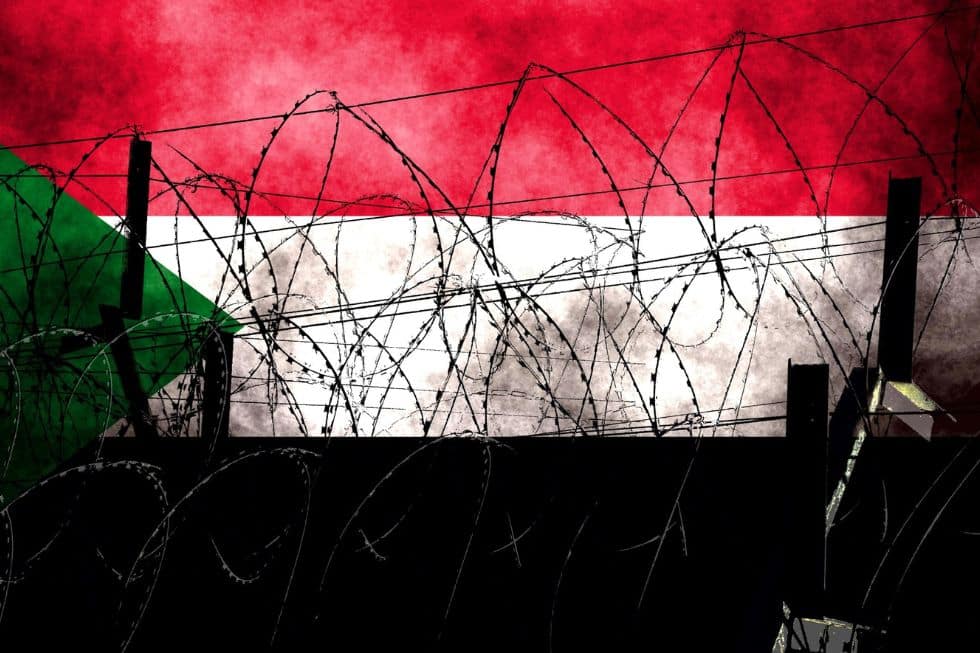

The fighting in Sudan pits the Sudanese Armed Forces (SAF), led by General Abdel Fattah al‑Burhan, against the Rapid Support Forces (RSF), led by General Muhammad Hamdan Dagalo (Hemedti). It began in April 2023 and has since become a complex, multi‑layered conflict that shows no realistic path to a durable end despite repeated international efforts.
International diplomacy has tried to force a halt. The “Quad” — the United States, Egypt, Saudi Arabia and the United Arab Emirates (UAE) — proposed a roadmap in September 2025 calling for a three‑month humanitarian truce, a permanent ceasefire and a nine‑month transition toward civilian governance. But the plan has made little headway on the ground.
Level one: a catastrophic humanitarian collapse
The human toll is immense. The UN estimates tens of millions need urgent assistance; millions are displaced and children face acute deprivation. Militarily, the RSF controls much of western Sudan, including Darfur’s areas bordering Chad, Libya and the Central African Republic, while the SAF holds central and eastern regions. The map of control mirrors deep and longstanding internal divides: Nile‑based elites and northerners on one side, peripheral communities marginalized for decades on the other. That social geography — combined with mass displacement and the breakdown of institutions — makes a swift peace hard to implement even if leaders agreed to stop fighting.
Level two: external proxies, weapons and revenues
The conflict is not confined to Sudanese actors. Both sides draw on external patrons and supplies that deepen their capacity to fight and to sustain prolonged campaigns. The SAF receives support — officially denied at times — from actors including Egypt, Iran, Turkey and Saudi Arabia, with reported transfers of training, drones and munitions. Iran and Turkey, for instance, have sought strategic footholds linked to Red Sea access and broader regional influence.
The RSF has strong ties to the UAE and to elements in eastern Libya aligned with General Khalifa Haftar. The UAE has built a web of relationships with non‑state and state actors across the region; in Sudan these connections have enabled air routes via places like Puntland in Somalia and other logistics channels for supplies. Crucially, the RSF controls lucrative gold mines along the border. Revenues from gold mining have financed weapons purchases, fighter pay and broader operational capacity, turning RSF control into a source of self‑sustaining funding. Russian mercenary support via the Wagner Group once bolstered the RSF, but that relationship has diminished; still, the RSF retains other revenue and supply streams.
The war also carries an ugly ethnic and racial dimension, especially in Darfur. Historical patterns of slave raiding and hierarchical views of some Arab‑identifying groups toward non‑Arab African communities have been exploited and amplified by armed actors. Human rights organizations have documented killings and ethnic cleansing attributed to RSF elements. Those atrocities harden community divisions and complicate any negotiated reconciliation.
Level three: geopolitics and Western limits
Even if the Quad or other international actors wanted to coerce a settlement, geopolitical realities constrain their leverage. The UAE is central to many Western security and economic interests: host to allied military facilities, a logistics hub for regional operations, a major trade partner for the US and Europe, and a purchaser of Western arms and technology. The US, UK and France maintain close security cooperation and arms ties with Abu Dhabi. These relationships limit the willingness of Western capitals to apply heavy pressure on the UAE for backing an actor that fuels Sudan’s war.
Because the UAE is deeply embedded in Western defense cooperation, trade and strategic arrangements — and because it has cultivated proxies and networks that serve its regional aims — many states are reluctant to risk those ties by confronting Abu Dhabi over the RSF. That reticence reduces international appetite for punitive measures that might meaningfully disrupt the flow of arms, funding or logistics to the RSF.
Taken together, these factors — a devastated humanitarian situation; deep internal cleavages and intercommunal violence; robust external patrons and funding streams; and the geopolitical constraints created by powerful states’ ties to Riyadh, Abu Dhabi and others — make the Sudanese conflict unusually intractable. Outside actors can push for ceasefires, negotiate roadmaps and provide humanitarian relief; they can also impose sanctions and try to choke supply lines. But doing so at the scale and cost required would mean confronting influential regional patrons and accepting significant strategic trade‑offs that many Western and regional governments have been unwilling to make.
The bleak reality is that the Sudan war is sustained by local grievances and by an internationalised ecosystem of support and profit. Until the external incentives for continued fighting are removed and until credible protection and political inclusion for Sudan’s diverse communities are secured, the dynamics that propel the conflict will persist. In short, too many armed interests, revenue sources and geopolitical relationships are invested in the war’s continuation for it to be easily — or soon — resolved.