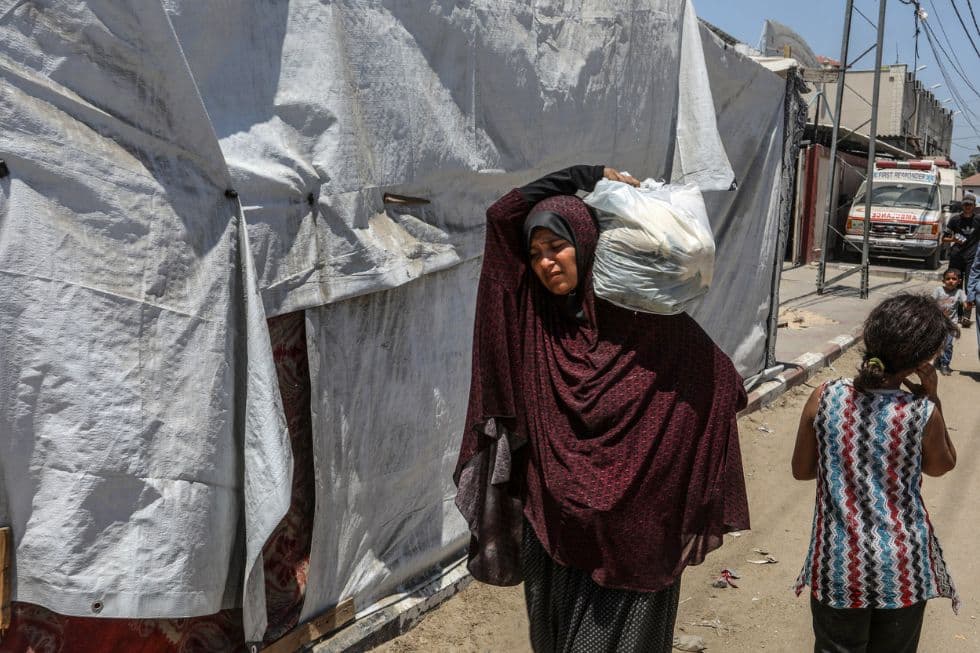

For decades Gaza’s health system has been crippled by a prolonged occupation and a 20-year siege that restricted movement, construction materials and the flow of medicines and equipment. Even before October 7, 2023, Palestinians in the Gaza Strip faced markedly worse health indicators than Israelis and many neighboring countries: higher maternal and infant mortality, limited prenatal and neonatal services, shortages of essential drugs and diagnostic tools, and constrained access to referral care outside the territory due to permit delays.
Infrastructure and health services
The blockade and structural impediments prevented hospital maintenance, acquisition of fuel for generators, and import of oxygen, anesthetics, imaging machines and prosthetic supplies. WHO and other reports documented chronic shortages of essential medicines and described multiple public hospitals at risk of closure. Building bans limited repair and expansion of clinics, and electricity and water supplies were unreliable. These weaknesses left the system fragile and unable to absorb mass casualties or prolonged crises.
Targeting and destruction of care since October 7
Since October 7, Gaza’s health sector has been extensively damaged. The majority of hospitals were hit, with dozens rendered nonfunctional. Nasser Hospital, the last public hospital in Khan Younis, suffered repeated strikes; the Turkish Palestinian Friendship Hospital — Gaza’s only cancer hospital — shut when fuel ran out and was later demolished. Thousands of health workers have been detained, many injured or killed, and attacks on facilities and ambulances have severely curtailed emergency and routine care. The combined effect has been an existential collapse of healthcare capacity.
Reproductive, maternal and neonatal health
Before the most recent escalation, maternal mortality in the occupied territories was many times higher than in Israel, and infant mortality rates were also markedly elevated. Gaza lacked comprehensive reproductive health services, screening programs and widespread preventive care such as HPV vaccination and regular cervical screening. Since October 7, access to maternity clinics, neonatal units and basic medications has plummeted. Checkpoint delays and active hostilities have forced deliveries outside hospitals, increasing birth complications and infections. Period poverty is widespread: hundreds of thousands of women have little or no access to menstrual supplies, clean water or sanitation, driving higher rates of gynecological and urinary infections and causing severe indignity and psychological harm. The destruction of reproductive centers and reports of thousands of IVF embryos lost have further undermined reproductive care.
Cancer care
Cancer was a leading cause of death in the occupied territories before the current destruction. Blocked access to chemotherapy drugs, radiotherapy equipment and diagnostic services already produced late-stage presentations and poorer outcomes. Referral for treatment outside Gaza required lengthy permit processes. Since the intensified attacks, cancer treatment has become effectively unavailable: facilities closed for lack of fuel and supplies, and specialized centers were damaged or destroyed. Patients face interruptions in life-saving therapy, inadequate palliative options and soaring mortality.
Water, sanitation and infectious disease
Water insecurity and inadequate sanitation were chronic problems before October 2023, with large portions of the population dependent on trucked water and many not receiving adequate supplies. Bans on filtration and sewage equipment compounded risks from contamination. After the escalation, outbreaks of waterborne disease surged: hepatitis A, acute diarrheal disease and other infections increased dramatically, and the reappearance of polio after decades highlighted the collapse of vaccination and sanitation systems. Women, responsible for household water and care, are disproportionally exposed and are vectors for secondary transmission to children.
Toxic exposures and birth outcomes
Repeated use of incendiary munitions and other weaponry has left residues of white phosphorus, heavy metals and possibly depleted uranium in soil, structures and human tissues. Historical exposures have been linked with higher rates of congenital anomalies, neural tube defects, preterm birth and developmental delays. Ongoing contamination risks create long-term reproductive and pediatric health threats that will persist after active hostilities end.
Disability, amputations and rehabilitation
Disability prevalence rose in Gaza even before 2023. Repeated waves of violence produced “compounded maiming,” where individuals are injured repeatedly, compounding disability and care needs. Prosthetic and rehabilitation services were extremely limited pre‑2023, with only a few centers able to provide devices and therapy. Since October 7, thousands of amputations — including many among children — have been reported. Many amputations result from infection and untreated wounds as much as from initial trauma. The loss of rehabilitation centers, shortages of prosthetics, lack of physiotherapy and absent pain and psychological support have left amputees unable to mobilize, care for children or resume livelihoods. Women amputees face heightened vulnerability to violence and social exclusion and often shoulder caregiving for injured children and dependents.
Starvation, malnutrition and long-term harm
Nutritional deficiencies and anemia were prevalent before the latest escalation due to restricted food imports and reduced agricultural production. The crisis has since deepened into large-scale food insecurity and, by some classifications, famine conditions: extreme shortages, rising child malnutrition and large numbers of pregnant and breastfeeding women at risk. Acute starvation causes immediate morbidity and death, but the developmental harm from maternal and early childhood malnutrition — stunting, lower cognitive potential and lifelong health deficits — will persist for generations. Malnutrition also undermines immune function, increasing vulnerability to infectious disease.
Mental health, gender-based violence and intergenerational trauma
Anxiety, depression and PTSD were elevated in Gaza and the West Bank before 2023, especially among women exposed to gender‑based and sexual violence, domestic abuse and state violence. The current violence has produced pervasive psychological trauma across ages and genders, compounding pre-existing intergenerational trauma linked to displacement and past massacres. Reports of sexual violence and coercive practices by military actors have further worsened the mental health burden. Mental health services were scarce pre-crisis and are now overwhelmed or inaccessible, while community coping networks are fractured. Women require particular attention to gender‑sensitive mental health and protection services.
Reconstruction and the path forward
Rebuilding Gaza’s health sector will be an immense undertaking in terms of funds, materials, personnel and time. Initial reconstruction estimates run into billions of dollars, and long-term recovery will require restoration of water and sanitation systems, hospitals and clinics, supply chains for medicines and equipment, rehabilitation and prosthetic services, cancer care, maternal and child health programs, and robust mental health services. Equally critical are political and structural changes: an end to the blockade, free movement to access regional care, and durable political solutions that restore dignity, rights and basic freedoms. For women, reconstruction must prioritize reproductive health, menstrual hygiene, neonatal and pediatric care, gender-based violence response and economic opportunities that address the disproportionate burdens they bear.
Conclusion
The current collapse of Gaza’s health system is not an isolated event but the intensified endpoint of decades of occupation, blockade and underinvestment. Women and children have been and continue to be disproportionately affected across reproductive, infectious, oncologic, nutritional, surgical and psychological dimensions. Reversing these harms requires immediate humanitarian access and protections, restoration of water and power, urgent medical supplies and personnel, and long-term political and economic remedies that restore freedom of movement and equitable access to care. Only with comprehensive health, social and political reconstruction can the multigenerational harms to Gaza’s women and children be addressed.