
Since the onset of industrialization, the global climate has shifted more rapidly than in previous centuries. A nation’s climate and geography shape its demographics, economy and the daily lives of its people. Where people live determines their reliance on natural resources, their energy needs, food sources and vulnerability to extreme events. When ecological balance is disturbed, the consequences are immediate and cascading.
Desert communities, for example, depend on imported potable water, require little infrastructure for rain drainage and adapt to heat in ways that differ from coastal or mountain populations. Coastal and tropical communities rely heavily on fisheries and are exposed to sea-level rise, cyclones and saltwater intrusion. Mountain communities face harsh winters and depend on seasonal harvests and stored resources; they are uniquely threatened by glacier melt, flash floods and landslides. Disruptions to these local balances — from temperature shifts to altered precipitation patterns — undermine livelihoods, destroy homes and reduce food security.
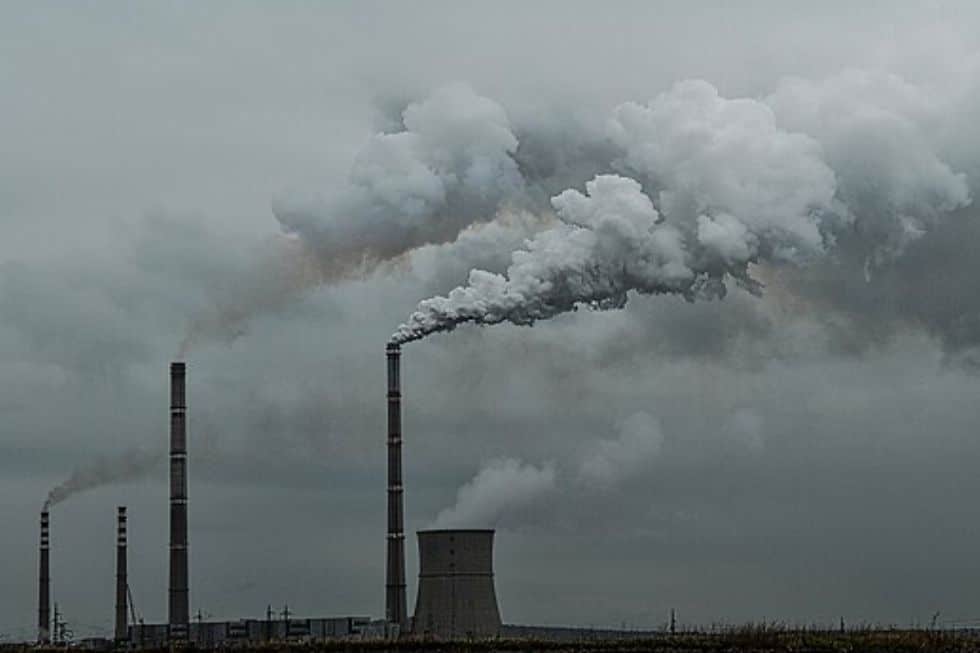
Human activity is the dominant driver of these changes. Industrialization, from the coal-driven factories of the British Industrial Revolution to the oil-fueled expansion of the 19th and 20th centuries, dramatically increased fossil fuel combustion. The post‑World War II era accelerated mechanized agriculture, mass manufacturing and expanded transport networks, all dependent on coal, oil and gas. Burning fossil fuels releases carbon into the atmosphere; urbanization and deforestation compound the problem by eliminating carbon sinks and degrading ecosystems. Together, these processes have increased the frequency and intensity of extreme weather events and long-term shifts in climate.
Yet responsibility is uneven. Developing countries generally contribute far less to cumulative global emissions than wealthy nations but bear a disproportionate share of the harms. On average, an individual in a high‑income country emits roughly 30 percent more carbon than someone in a low‑income country. Many developing nations produce only a tiny fraction of global emissions — Pakistan emits under 1 percent — but rank among the most vulnerable to climate impacts. Bangladesh, Pakistan and other low‑lying or mountainous countries face recurrent floods, cyclones and accelerating glacier melt that threaten millions of people and critical infrastructure.
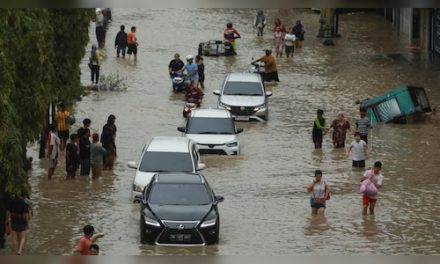
The human and economic toll is already visible. Torrential monsoon rains in August 2025 caused widespread flooding in India and Pakistan, destroying homes, killing livestock and damaging roads, bridges and crops. In Pakistan, the rapid melting of roughly 7,000 glaciers raises the risk of glacier lake outburst floods and sudden downstream inundation. These events not only cause immediate loss of life and property but also damage long-term development prospects by undermining agriculture, displacing communities and increasing poverty.
Developing countries need substantial resources to both adapt to and mitigate climate damage. Adaptation includes strengthening flood defenses, improving water management, protecting and restoring forests, and investing in resilient infrastructure and early‑warning systems. Mitigation requires access to clean energy technologies, support to transition economies away from fossil fuels, and finance for sustainable development. International funding and technology transfer are essential because many vulnerable countries lack the fiscal space and technical capacity to act at the scale required.
International agreements and treaties add another layer of complexity. Transboundary water arrangements such as the Indus Water Treaty govern shared river systems; climatic shocks or unilateral actions that disrupt such agreements risk escalating tensions and setting dangerous precedents for resource exploitation. Ensuring that treaties remain respected and that cooperative mechanisms are strengthened is part of preventing conflict as climate pressures grow.
Wealthy, high‑emission nations have a moral and practical responsibility to support those most affected. This can take the form of increased climate finance, debt relief tied to resilience investments, technology sharing and capacity building. It can also mean honoring commitments under international frameworks to limit warming and to assist vulnerable countries with loss and damage. Without such support, developing nations will confront greater humanitarian crises, loss of biodiversity and irreversible damage to ecosystems that underpin global well‑being.
Climate change is no longer an abstract future risk; for many countries it is an immediate existential threat. The gap between responsibility for emissions and vulnerability to impacts makes equitable, urgent global action not only a matter of justice but of self‑interest. Protecting human lives and preserving natural ecosystems demands that high‑emission nations accept accountability and provide the resources needed for adaptation, mitigation and recovery. Only through coordinated global effort can we reduce suffering and safeguard the planet for future generations.
[Elliott Frey edited this piece]
The views expressed are the author’s own and do not necessarily reflect Fair Observer’s editorial policy.